
Who We Are
Founded in 2016, Angaza Vijiji is a social enterprise dedicated to empowering Kenya’s rural communities. We work hand-in-hand with local people to strengthen capacity, improve livelihoods, and promote sustainable use of natural resources.
Through community-driven initiatives in conservation, ecotourism, renewable energy, and food security, we create lasting social and environmental impact. Guided by strategic partnerships and a commitment to inclusive, innovative approaches, we strive to foster resilient, thriving communities across Kenya.
Our Vision
To be a catalyst for sustainable development in marginalized rural Kenya, transforming communities through innovative and inclusive solutions.
Our Mission
To empower marginalized communities by promoting sustainable enterprises, enhancing food security, fostering renewable energy, and supporting community-led conservation.
Our Approach
To advance long-term, community-led environmental stewardship, social well-being, and economic resilience through inclusive, innovative, and collaborative strategies.
OUR HISTORY
The vision for Angaza Vijiji emerged from our founder’s extensive experience in environmental outreach and education across Kenya, the United Kingdom, and the United States — revealing the need to make sustainability education accessible to rural communities.
A simple kitchen conversation between our founder and his fiancée sparked the beginning of Angaza Vijiji: while preparing an indigenous beef stew, they reflected on the loss of traditional practices and knowledge that once guided people’s relationship with nature, and how reviving it could help shape a more sustainable path forward.
This personal insight evolved into a larger vision, refined through global dialogues, conferences, and fellowships. It eventually led to the creation of Angaza Vijiji — meaning “Lighting up villages” in Swahili — an organization dedicated to illuminating the path toward inclusive, community-led sustainability.
The Advisory Board Members
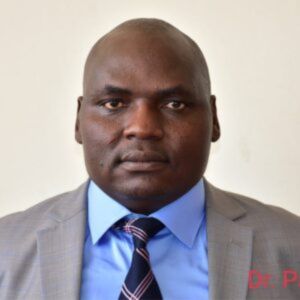
Prof. Paul W. Webala
Advisory Board Member
Paul Webala (PhD) is a National Geographic Explorer, published author (Paul Webala – Google Scholar), and a Senior Lecturer of Wildlife Biology at Maasai Mara University, Kenya.
READ MORE
Paul Webala (Professor) is a National Geographic Explorer, published author (Paul Webala – Google Scholar), and a senior lecturer of wildlife biology at Maasai Mara University, Kenya. He is an award-winning regional expert on small mammals, especially bats, with extensive fieldwork experience in Kenya, Rwanda and Australia, including baseline bat surveys and impact assessment over 60 months for potential multiple turbine projects. Collaborating with scientists from around the world, one of his principal interests are the processes that drive rarity and abundance of mammals in natural and human-dominated environments. This research involves behavioural, ecological, and systematic/taxonomic questions and is central to his work of promoting bat conservation in Africa. Prof. Paul has published extensively in reputable international peer-reviewed journals; He is co-chair of Bat Conservation Africa and a science advisor to Bat Conservation International (USA); and together with colleagues he has raised hundreds of thousands of dollars for science, capacity building, and biodiversity conservation projects in Africa. He is also a member of the Bat Specialist Group of the IUCN Species Survival Commission.
At Angaza Vijiji, Prof. Paul is the advisory board member on conservation, projects development and partnership building. Prof. Paul has a solid reputation as a mentor of students and upcoming conservation leaders with several of his students currently practicing conservation research, education and development inspired by his mentorship. Paul is also passionate about nature photography.

Dr Milton Omondi
Chairman, Advisory Board
Dr. Milton Omondi (MBCHB, MSc,) is a distinguished public health specialist and medical professional with extensive expertise in HIV/AIDS, tuberculosis and other tropical diseases such as malaria.
READ MORE
Dr. Milton Omondi (MBCHB, MSc,) is a distinguished public health specialist and medical professional with extensive expertise in HIV/AIDS, tuberculosis and other tropical diseases such as malaria. His career spans roles as an investigator in regulated clinical trials and public health evaluations. Currently, Dr. Milton serves as a Senior Programme Manager at the Liverpool School of Tropical Medicine (LSTM). Dr. Milton, previously worked with the Kenya Conference of Catholic Bishops (KCCB) as the Director of the Kenya AIDS Response Programme (KARP), and as the Director of the Henry Jackson Foundation (HJFMRI) HIV care and treatment programme in Kisumu West, Kenya.
Dr. Milton received a Bachelor of Medicine and Surgery (MBChB.) degree from the University of Nairobi and an MSc in Public Health from the London School of Hygiene and Tropical Medicine.
At Angaza Vijiji, Dr. Milton is an Advisory Board Member focusing on the integration of mental and physical health activities into conservation, land use, and development programmes. In this capacity, he contributes to incorporating play and nature-based therapy into sustainable initiatives. He leverages community platforms to enhance public health awareness in his areas of expertise and mentors’ youth in career choices and involvement in sustainable development activities.
An avid footballer, Dr. Omondi advocates for the use of football in community outreach, particularly to promote mental and physical health within his areas of mandate.

Ms. Evelyne A. Kaumba
Secretary to the Advisory Board
Ms. Evelyn Kaumba has extensive experience in sustainable natural resource management, agroecology, and food security. Ms. currently working with International Rescue Committee (IRC) as the regional coordinator.
READ MORE
Ms. Evelyn Kaumba has extensive experience in sustainable natural resource management, agroecology, and food security. Ms. currently working with International Rescue Committee (IRC) as the regional coordinator. Ms. Kaumba previously worked with Economic and Social Rights Centre as the Manager in charge of Research and Programmes Development as well as the Participatory Ecological Land Use Management (PELUM Kenya) and the International Fund for Agricultural Development (IFAD) as a Programme Officer. She holds a bachelor degree in Agriculture, a MSc in Agricultural Economics from the University of Nairobi and a Masters in Monitoring and Evaluation from the same University.
At Angaza Vijiji, Ms. Evelyn serves as the Advisory Board Member, focusing on promoting grassroots sustainability, particularly in agriculture, water, food security, and nutrition, as well as advocating for the rights of indigenous peoples. She also advises and offers her expertise on monitoring, evaluation and learning services when needed. Ms. Evelyne has an outstanding record of working with grassroots communities, community associations, and civil society organizations to promote extension learning in sustainable agriculture through systematic capacity development initiatives. She is passionate about programs that integrate human rights-based approaches, promoting inclusion and participation of grassroots communities in decision-making.
MEET OUR STAFF MEMBERS
''Where the rubber meets the road,,,,,,,,,,,,,,,''

Dr David Wechuli Barasa
Researcher
David’s research focuses on small mammals, a group that remains under-studied in Kenya and other parts of Africa. Concentrating on bats as his primary species
READ MORE
David’s research focuses on small mammals, a group that remains under-studied in Kenya and other parts of Africa. Concentrating on bats as his primary species, he explores patterns of bat distribution and conservation strategies in modified habitats.

Onyosi Newton Harrison
Administrative Officer
Onyosi Newton Harrison is the Administrative Officer at Angaza Vijiji, where he plays a central role in ensuring the smooth and efficient running of daily operations
READ MORE
Onyosi Newton Harrison is the Administrative Officer at Angaza Vijiji, where he plays a central role in ensuring the smooth and efficient running of daily operations. He provides administrative support that strengthens internal coordination, organization, and service delivery across the institution. He is a graduate of Maseno University, holding a Bachelor’s Degree in Geography and Natural Resource Management with IT. His academic background has equipped him with a strong understanding of planning, resource management, problem-solving, and the effective use of technology in organizational settings. In his role, he contributes to workshop planning and coordination, helping create impactful engagements that support the organization’s mission.
He also manages digital and IT-related functions, ensuring systems run efficiently while improving communication and workflow. In addition, his photography skills help document activities, capture milestones, and tell the story of the organization’s impact through compelling visuals. He is passionate about creating order, using technology to solve problems, and supporting community-driven initiatives that create lasting change. This passion enables him to contribute to the growth, efficiency, and visibility of Angaza Vijiji as it continues to transform lives.
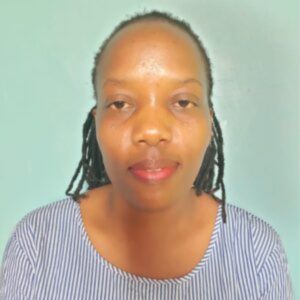
Josephine Linet Ambaisi
Project Coordinator and Gender Liaison Officer
Josephine Linet Ambaisi serves as the Project Coordinator and Gender Liaison Officer at Angaza Vijiji and is a successful outcome of the AV student and intern mentorship initiative.
READ MORE
Josephine Linet Ambaisi serves as the projects coordinator and Gender Liaison Officer at Angaza Vijiji and is a notable success story from AV’s student and internship mentorship initiative. She possesses a Bachelor’s degree in wildlife management obtained from Maasai Mara University and is currently pursuing a Master of Science in wildlife management at the University of Eldoret. Josephine is specialised in community involvement in conservation efforts. With multiple years of experience as a field assistant in wildlife-oriented projects, Josephine has been engaged in various community outreach programs. She is also a distinguished alumna of the Rufford Small Grants and the prestigious Conservation Leadership Programme. At Angaza Vijiji, Josephine has essential responsibilities that involve coordinating, field-based conservation efforts, including capacity-building training sessions and projects, inclusive education and outreach initiatives, clean cooking solutions, sustainable enterprise development, and more. In her capacity as a gender liaison officer, she integrates gender-sensitive strategies into rural development and conservation operations, thereby enhancing community involvement. As a testament to her success from the Angaza Vijiji internship mentorship program, Josephine actively participates in mentoring new interns.
Josephine has a strong passion for the development of practical skills. In her position, she engages deeply in capacity-building training and experiential learning, which actively promote an environment and the planet gain from conservation efforts. This creates a “positive sum game” where the principles of sustainable development align harmoniously with conservation.
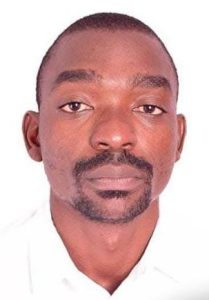
Raphael Baya Wanje
Monitoring, Evaluation and Learning (MEAL) Officer.
Raphael possesses a Bachelor of Science degree in Biology and is dedicated to utilizing biological concepts to foster positive change in
READ MORE
Raphael possesses a Bachelor of Science degree in Biology and is dedicated to utilizing biological concepts to foster positive change in community well-being. He also has a specialization in monitoring and biodiversity conservation. In his role at Angaza Vijiji, Raphael serves as the Monitoring, Evaluation, and Learning Officer, overseeing the establishment of thorough M&E frameworks that measure the effectiveness of the organization’s programs and ongoing initiatives. He evaluates project performance to guarantee the quality of data, merges scientific precision with practical data analysis to boost the effectiveness of AV programs, identifies potential challenges and risks, and offers insights to guide decision making. Furthermore, Raphael’s expertise allows him to provide technical assistance aimed at enhancing project outcomes ang generating reports for partnership presentations. He concentrates on data visualization, making sure that significant results are accessible to stakeholders, donors, and ‘local communities’ to support adaptive management practices. Raphael also connects community-driven methodologies with data collected from the field. The MEAL officer guarantees that Angaza Vijiji’s actions are Evidence-Based, adaptive to changes, and sustainable.
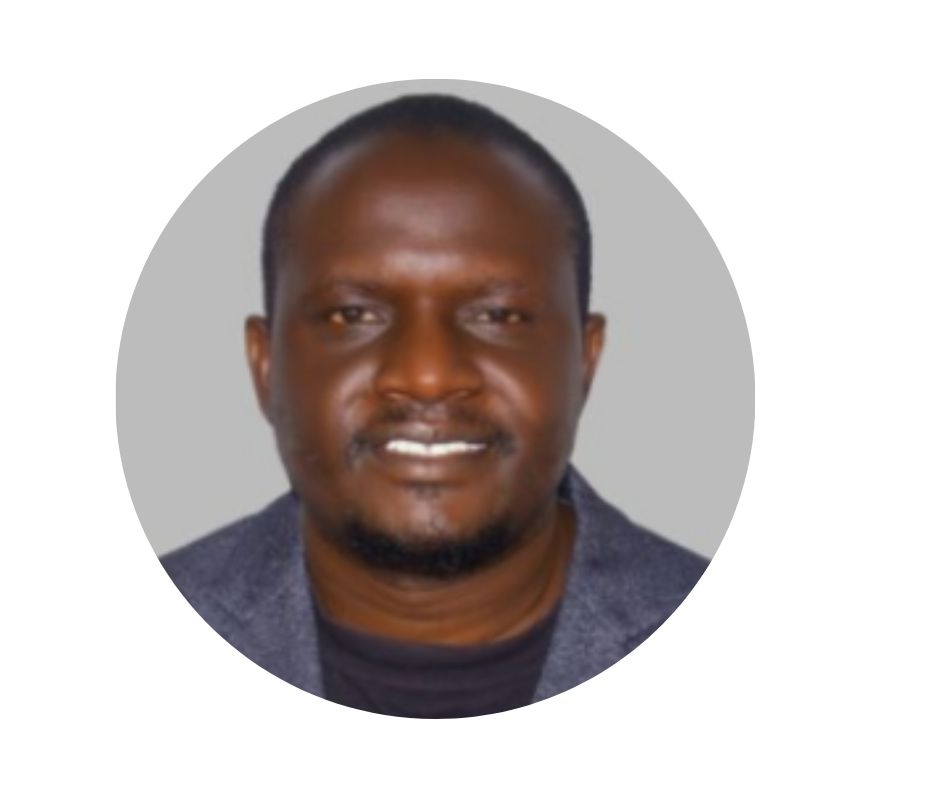
Evarastus Obura
CEO
Evarastus Obura is the CEO of Angaza Vijiji, where he leads the organization’s vision and strategic direction, focusing on community-led sustainable development in underserved rural areas of Kenya
READ MORE
Evarastus Obura is the CEO of Angaza Vijiji, where he leads the organization’s vision and strategic direction, focusing on community-led sustainable development in underserved rural areas of Kenya. He works with diverse stakeholders—including researchers, schools, community groups, and partners—to design initiatives that integrate livelihoods with environmental conservation. As a social entrepreneur, he promotes the sustainable use of natural resources to create economic opportunities while safeguarding biodiversity, while also advancing advocacy and collaborative learning systems that strengthen community capacity.
He holds a BA in Development Studies and is an alumnus of the Community Solutions Program, where he mentors global fellows. Evarastus has received recognitions such as the Eco Warrior Award and a Wildlife Conservation Society research award, and currently serves as a volunteer fundraising advisor with the World University Service of Canada in Sri Lanka. He previously worked with Statunga Ecotours and has led Angaza Vijiji in building partnerships with organizations including Bat Conservation International, the International Conservation Fund of Canada, and the National Geographic Society.
Our Partners & Funders
Angaza Vijiji partners with government agencies, schools, bilateral donors, foundations and other international and national organizations and individuals to promote learning for sustainable development and inclusive societies.









Our Partner Schools








About Us
Angaza Vijiji is a social enterprise that promotes sustainable development in Kenya’s rural regions
We are committed to implementing and promoting practices that ensure long-term environmental, social, and economic health.
Contact Us
- Imani Events Center, Kisian-Busia Rd. iSource.
- © 2026 Angaza VijijiAll Rights Reserved.