Tourism, Culture, and Local Economic Empowerment
The Catering and Handicraft Enterprises leverage tourism, meetings, and community events to generate income while promoting cultural heritage and environmentally responsible practices. These ventures create employment opportunities for women and youth, ensuring that economic benefits are locally retained. Through the business planning process, clear pricing strategies, cost controls, and profit-sharing mechanisms were established to enhance financial sustainability.
Advancing Clean Energy Solutions
In line with environmental protection efforts, TTGSC CBO is also advancing a Jiko Production and Installation Enterprise. By promoting energy-saving cookstoves, the CBO contributes to reduced charcoal consumption, lower household fuel costs, and climate action. Structured planning has positioned this clean energy venture for gradual
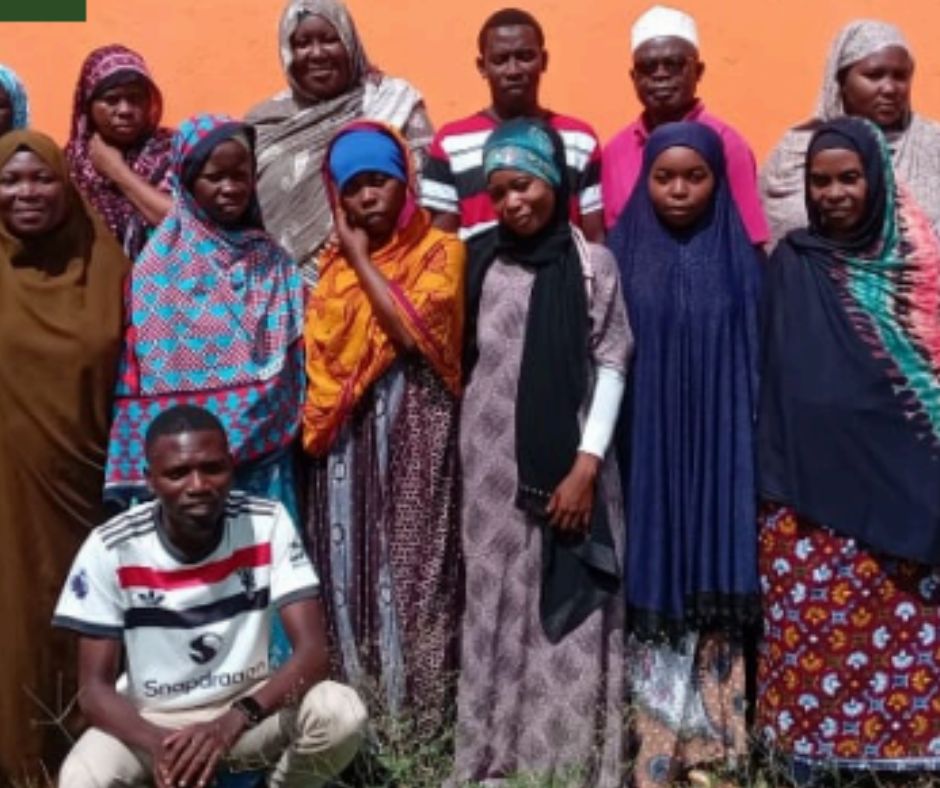
Sustainable development becomes transformative when communities are equipped not just with ideas, but with structure. To strengthen enterprise growth and long-term impact, Angaza Vijiji organized a three-day intensive workshop for the Tswaka Three Giant Sisters Caves Community Based Organization (TTGSC CBO) to develop a comprehensive business plan for its enterprises.
The workshop focused on building a practical roadmap to help TTGSC CBO generate stable and diversified income, reduce donor dependency, strengthen governance systems, and ensure that all business activities directly support conservation and community wellbeing. Through participatory sessions, financial mapping, and enterprise analysis, members developed clear operational plans, revenue projections, income allocation models, and growth strategies for each venture.
The resulting business plan now serves as a strategic decision-making tool. It provides clarity on roles and responsibilities, strengthens accountability, outlines reinvestment frameworks, and sets measurable targets for the next three to five years. Most importantly, it aligns enterprise growth with environmental sustainability, ensuring that income generation supports conservation rather than undermines it.
Enterprise as a Driver of Conservation
At the heart of TTGSC CBO’s model is the understanding that conservation and livelihoods must move together.
The Tree Nursery Enterprise remains the most established venture, producing indigenous and agroforestry seedlings that contribute to reforestation, biodiversity restoration, and climate resilience. With structured cost analysis and seasonal sales projections developed during the workshop, the nursery is positioned for sustainable growth while maintaining environmental integrity.
Complementing this is the Kitchen Garden Enterprise, which promotes water-efficient vegetable production to enhance household nutrition and generate additional income. The gardens also create internal supply linkages with the catering enterprise, strengthening operational synergy within the CBO.
www.angazavijiji.co.ke expansion while maintaining quality and affordability.
A Model for Long-Term Sustainability
What distinguishes TTGSC CBO’s approach is its integration of governance, financial discipline, and conservation impact. Each enterprise now operates under defined management structures, transparent record-keeping systems, and clear income allocation guidelines including reinvestment into enterprise growth and contribution to CBO operations.
Through the facilitation of Angaza Vijiji, TTGSC CBO has transitioned fromoperating activities independently to managing them strategically. The business plan has created a shared vision, strengthened internal coordination, and provided a realistic growth pathway.
The CBO is now demonstrating that sustainable use of natural resources can drive enterprise, conservation, and community resilience simultaneously. Our focus now is on linking structured business development with environmental stewardship, while building a model where enterprise sustains conservation and conservation sustains livelihoods.