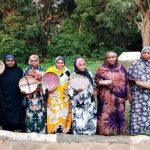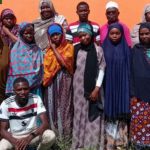
From 2nd to 4th April 2025, we conducted a three-day agroforestry training at Tswaka Primary School in Kwale County, bringing together 23 representatives from the Tswaka Three Giant Sister Caves Community-Based Organization.
The training centered on one key idea: restoring degraded landscapes while strengthening local livelihoods through agroforestry.
We began by discussing the importance of forests — not only as sources of wood, but as systems that protect soil, regulate climate, conserve water and provide habitats for wildlife. With the caves and surrounding forests facing pressure from deforestation and land-use change, the need for sustainable land management is urgent.
Participants were taken through practical aspects of agroforestry, including tree nursery establishment and management. They learned how to collect and select seeds, prepare nursery beds, carry out potting, prune roots, and harden seedlings before transplanting. Stepping into the nursery beds allowed everyone to move from theory to practice, which made the learning more meaningful.
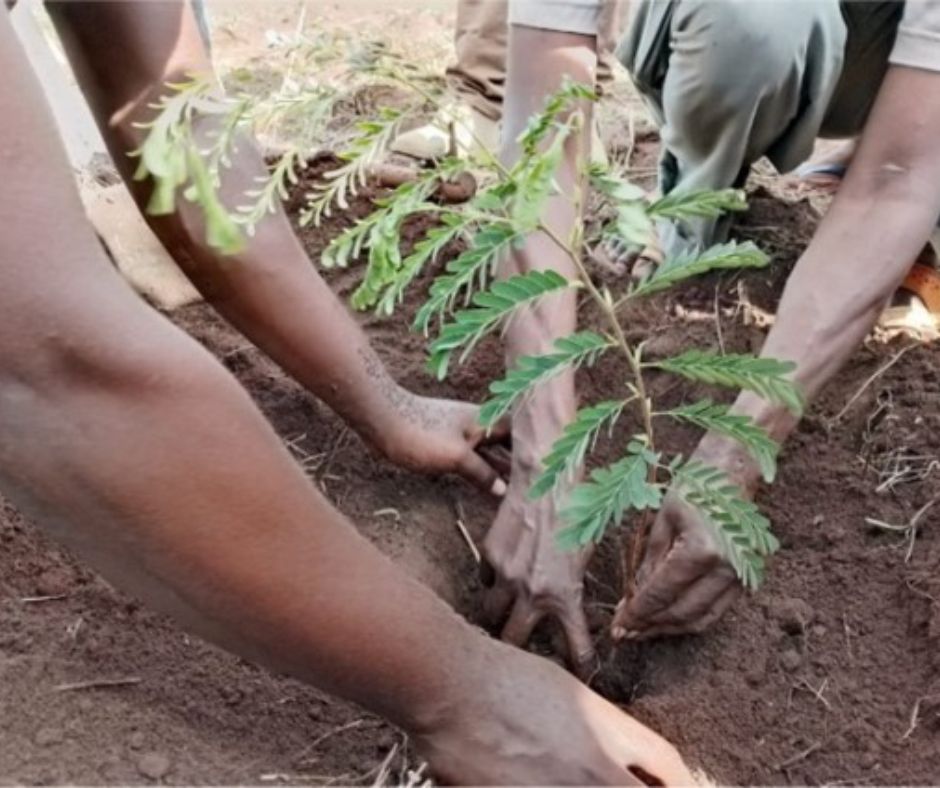
The training also covered proper tree planting techniques and different planting systems such as boundary planting, roadside planting and hedgerows. Despite heavy rains limiting movement to some homes, participants planted seedlings and discussed how to integrate trees into their farms for long-term productivity.
On the final day, attention shifted to climate-smart practices and nature-based solutions. Discussions focused on how agroforestry can improve soil health, increase biodiversity, enhance farm resilience and contribute to climate adaptation.
What stood out most was the level of engagement. Questions were practical. Discussions were grounded in real farming experiences. There was a clear understanding that planting trees is not just about conservation — it is about securing the future of farms, water sources and livelihoods.
The training reinforced a simple but powerful message: when communities understand and apply agroforestry practices, restoration becomes part of everyday life — not just a project, but a long-term commitment.
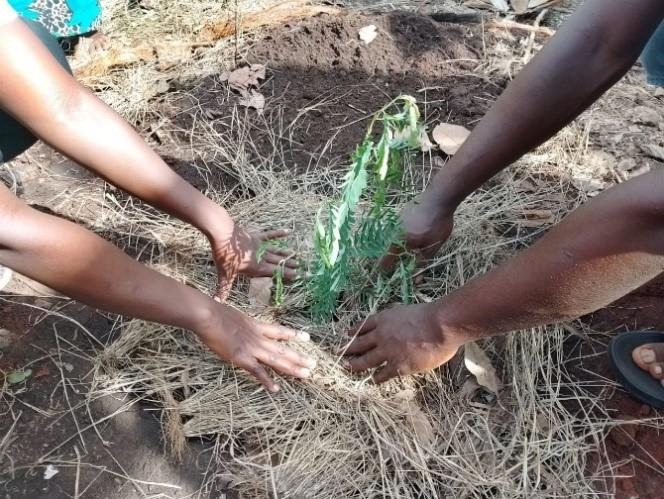
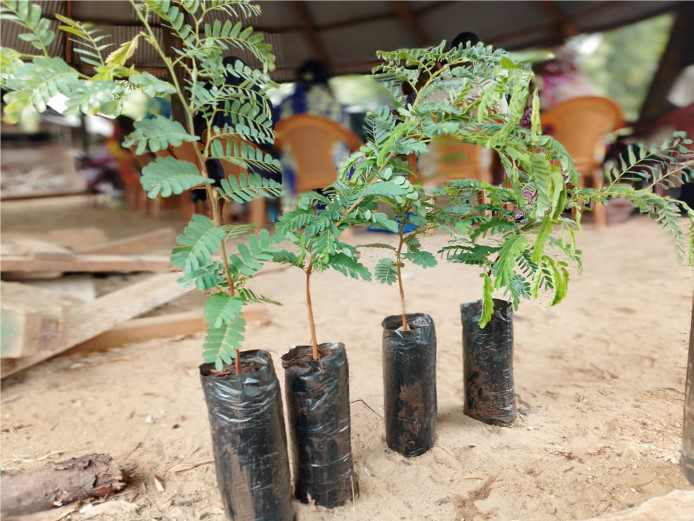
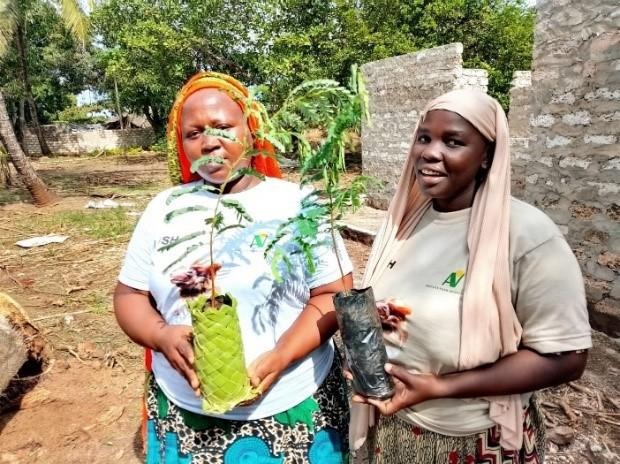
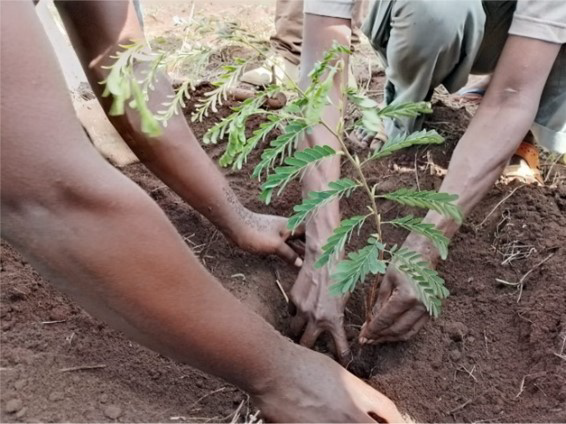
Experiential Learning: Participants planted two seedlings at two different homes, allowing them to connect theory with practical activities
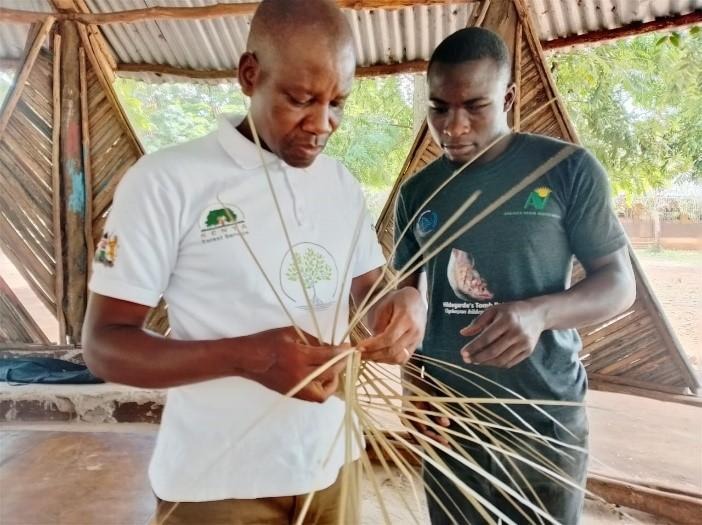
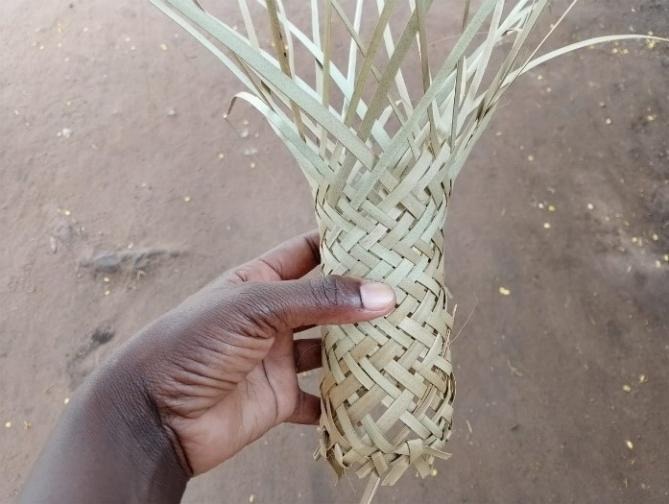
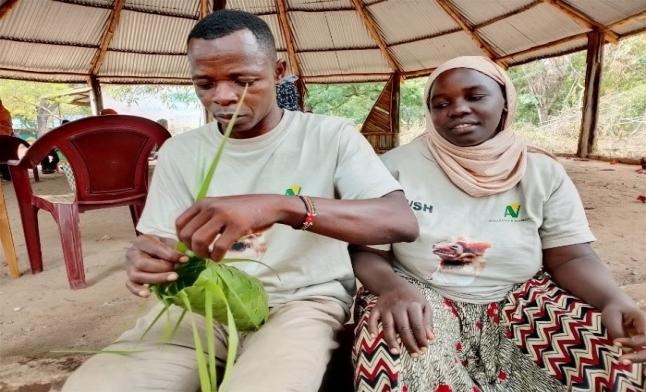
Integrating Sustainability into local production; Trainer teaching community representatives on how to create these biodegradable potting bags, emphasizing that the bags do not need to be removed during the transplanting process.